The way IPTV is changing the way viewers watch TV


Recently, the way we consume television has undergone a major transformation, mainly powered by advancements in technological innovations and changing viewing habits. IP Television, is at the forefront of this evolution, offering a fresh alternative to traditional cable and satellite services. As more viewers seek options, diversity, and affordability, IPTV is rapidly becoming the go-to option for home entertainment.
The appeal of IPTV lies in its ability to provide a personalized viewing experience that caters to individual needs. From the accessibility of on-demand content to the ability to access programming from across the world, IPTV is not just changing the way we see TV; it is reshaping how we experience media in our everyday lives. With its wide range of advantages, IPTV is not only meeting the demands of contemporary watchers but also setting the stage for the future of television.
Main Pros of Internet Protocol Television
IPTV, or Internet Protocol Television, is changing the manner audiences watch television content, and its various advantages are attractive to a growing number of viewers. One significant benefit is the versatility it offers. Unlike traditional television, IPTV enables users to enjoy their favorite shows and movies on demand, meaning they can select what to watch and when, not restricted by a fixed schedule. This freedom caters to busy lifestyles, enabling viewers to experience their preferred content anytime, whether on a smartphone, iPad, or internet TV.
Another key advantage of IPTV is the cost-effective opportunity it presents. Many IPTV services come at a lower subscription cost compared to conventional cable providers. Additionally, the extensive range of channels and content options available often means viewers can find what they want without paying extra for unnecessary packages or channels. This makes IPTV an desirable choice for those wanting to reduce their entertainment expenses while still enjoying a diverse selection of options.
Lastly, IPTV is known for delivering excellent streaming experiences. With advancements in technology, many IPTV platforms offer high definition and even ultra high definition streaming capabilities, which can elevate the overall viewing experience. Furthermore, the interactive features of IPTV allow users to tailor their content consumption, from choosing programming to accessing features like stopping and replaying. This mixture of quality and interactivity is a significant reason many consumers are transitioning from conventional TV to IPTV services.
IPTV vs Conventional Television
The transition from conventional television to Internet Protocol Television marks a significant transformation in how viewers access and experience content. Traditional television relies on broadcast and cable television that restrict choices and scheduling. In contrast, IPTV offers a vast range of programming and video on demand that viewers can access at any time. This flexibility allows viewers to create their own schedules instead of being bound to a network's schedule, catering to the increasingly busy lifestyles of modern audiences.
Another key distinction lies in the tech used. Conventional Television depends on physical infrastructure like satellites or cable lines, which can be expensive and difficult to install. IPTV, on the other hand, streams content over the internet, utilizing existing internet connections. This not only simplifies the installation but also often enhances the quality of viewing through improved streaming and a more extensive selection of programs. As browse around here continue to increase, Internet Protocol Television becomes an increasingly attractive option for consumers seeking quality and variety.
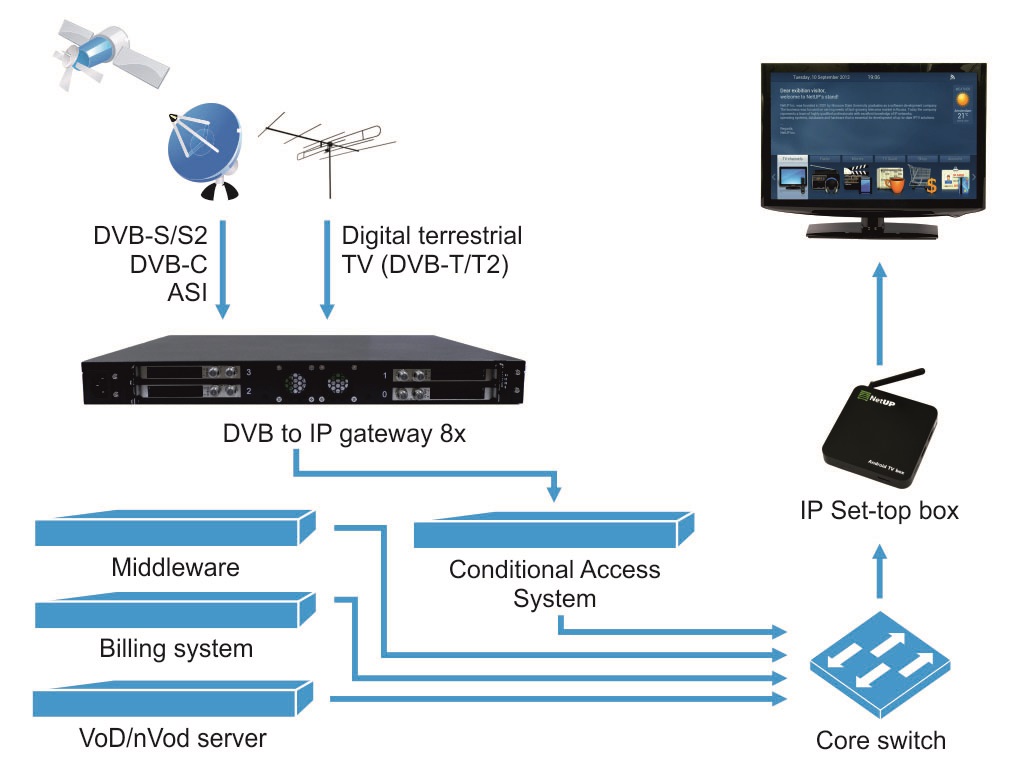
Additionally, Internet Protocol Television platforms often come loaded with features for interaction that traditional TV struggles to compete with. Viewers can stop, rewind, or fast-forward content with ease, and many services allow for tailored suggestions based on watching behavior. This level of flexibility over content is particularly appealing to younger generations, who have been raised expecting a more engaged and customized viewing experience. As a consequence, more people are gravitating towards IPTV as their main source of leisure, establishing its role as a groundbreaking innovation in television watching.
The Future of Television
As technology continues to progress, IPTV stands ready to change the television landscape. The rise of high-speed internet access has enabled it more convenient for viewers to adopt IPTV services, offering a smooth streaming experience that traditional cable cannot compete with. This shift is not just about how content is delivered but also about the extensive array of choices available to consumers, allowing them to personalize their viewing experience to their likings.
Furthermore, the interactivity that IPTV provides creates doors to new forms of engagement for audiences. Features such as demand-driven content, interactive applications, and personalized recommendations are transforming the way viewers engage with television. The ability to watch content without being tied to a conventional schedule provides a layer of convenience that is particularly appealing to busy lifestyles, making IPTV an excellent option for modern households.
Going forward, the popularity of IPTV will almost certainly continue to expand as more people become conscious of its multiple benefits. As content providers invest in cutting-edge features and high-quality programming, IPTV is not just a replacement for traditional TV but a progressive platform that caters to the demands of the 21st-century viewer. With its ability to scale, versatility, and user control, IPTV is truly the next generation of television, catering to a diverse audience and transforming at-home entertainment experiences.